
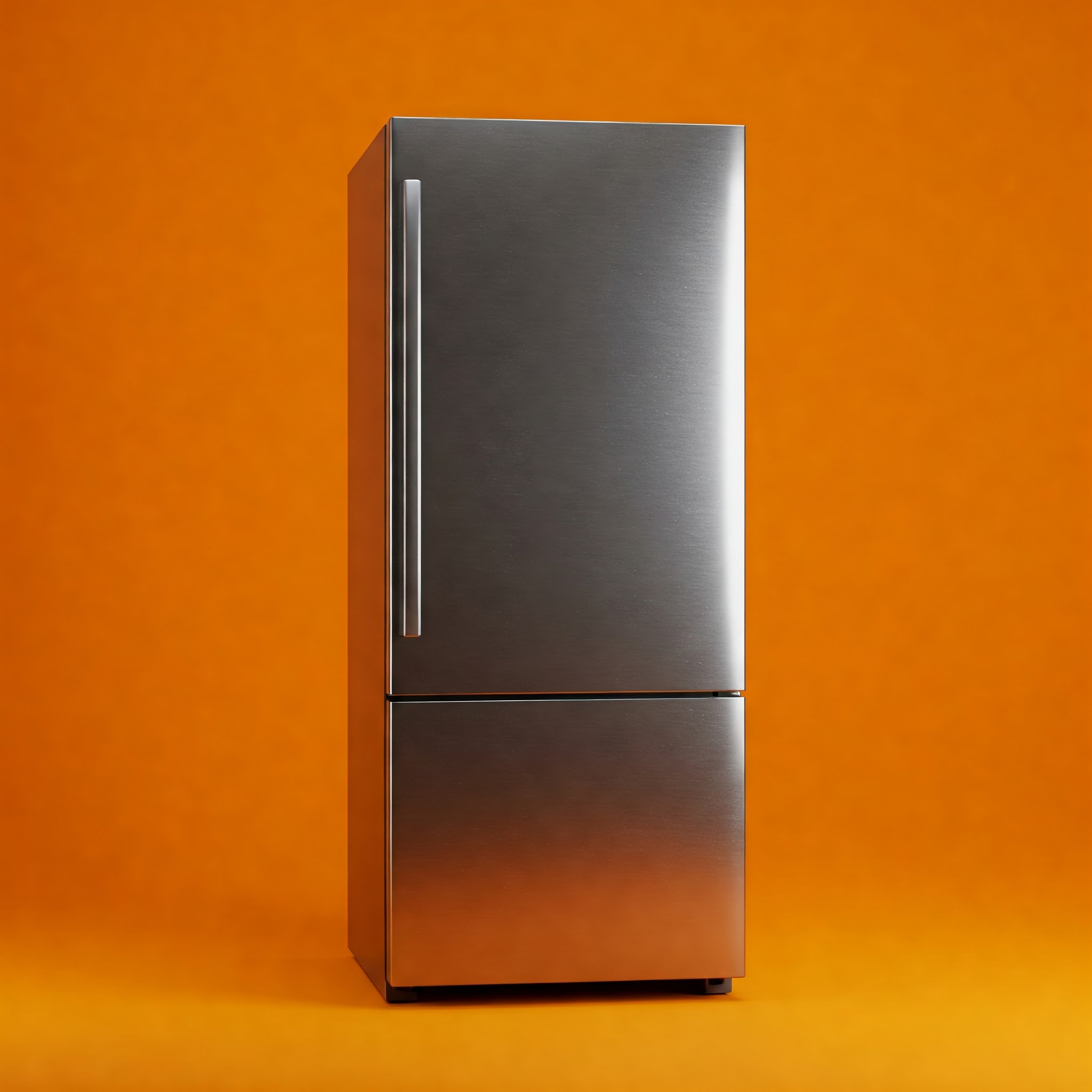
Your refrigerator is arguably the hardest-working appliance in your Toronto home, running 24 hours a day, 365 days a year to keep your food fresh and safe. When it starts showing signs of trouble, it can quickly become a major inconvenience and even a health hazard. Understanding common refrigerator problems, their causes, and potential solutions can help you determine when you can handle the issue yourself and when it’s time to call the professionals at Appliance Know it All.
Understanding Your Refrigerator’s Basic Components
Before diving into specific problems, it’s helpful to understand how your refrigerator works. Modern refrigerators use a refrigeration cycle that involves several key components: the compressor, condenser coils, evaporator coils, expansion valve, and refrigerant. The compressor pumps refrigerant through the system, while the coils help transfer heat. When any of these components malfunction, it can lead to cooling problems, energy inefficiency, or complete system failure.
According to the U.S. Department of Energy (https://www.energy.gov/energysaver/refrigerators), refrigerators account for about 14% of a home’s energy use, making proper maintenance crucial for both performance and energy efficiency.
Problem 1: Refrigerator Not Cooling Properly
One of the most common and concerning issues Toronto homeowners face is when their refrigerator isn’t maintaining proper temperatures. The ideal refrigerator temperature should be between 37-40°F (3-4°C), while the freezer should maintain 0°F (-18°C).
Possible Causes:
- Dirty condenser coils
- Faulty thermostat
- Damaged door seals
- Blocked air vents
- Compressor issues
- Refrigerant leaks
DIY Solutions to Try First: Start by checking the obvious culprits. Ensure the temperature settings haven’t been accidentally adjusted – this is more common than you might think, especially in households with children. Clean the condenser coils, which are typically located on the back or underneath your refrigerator. Over time, dust and pet hair accumulate on these coils, forcing the compressor to work harder and reducing cooling efficiency.
Check the door seals (gaskets) by performing the dollar bill test: close a dollar bill in the door and try to pull it out. If it slides out easily, the seal may need replacement. Also, ensure that air vents inside both the refrigerator and freezer aren’t blocked by food items.
When to Call Appliance Know it All: If these basic steps don’t resolve the issue, the problem likely involves more complex components like the compressor, refrigerant system, or electronic controls. These repairs require professional diagnosis and specialized tools. Attempting to repair refrigerant leaks or compressor issues yourself can be dangerous and may void your warranty.
Problem 2: Excessive Noise
While refrigerators aren’t completely silent, unusual or loud noises can indicate developing problems. Different sounds often point to specific issues.
Common Sounds and Their Meanings:
- Buzzing or humming: Usually normal, but excessive noise may indicate compressor issues
- Clicking: Often relates to the defrost timer or start relay
- Rattling: Loose components or items on top of the refrigerator
- Gurgling: Normal refrigerant flow, but excessive gurgling may indicate low refrigerant
- Squealing: Usually a worn fan motor
DIY Solutions: For rattling sounds, check that the refrigerator is level and that nothing is loose on top or behind it. Clean the condenser fan, which can become noisy when clogged with debris. Ensure the refrigerator has adequate clearance from walls and cabinets for proper air circulation.
Professional Intervention: If the noise persists or seems to be coming from internal components, it’s time to call Appliance Know it All. Fan motors, compressors, and other mechanical components require professional diagnosis and replacement.
Problem 3: Water Leaking Inside or Outside the Refrigerator
Water leaks can cause significant damage to your kitchen floors and indicate serious refrigerator problems.
Common Leak Sources:
- Clogged defrost drain
- Damaged water line (for ice makers/water dispensers)
- Cracked drain pan
- Faulty door seals
- Ice maker malfunctions
DIY Approaches: For leaks inside the refrigerator, check if the defrost drain is clogged. This drain is typically located at the back of the refrigerator compartment. You can try flushing it with warm water using a turkey baster. For external leaks, check if the drain pan under the refrigerator is cracked or overflowing.
The Environmental Protection Agency (https://www.epa.gov/indoor-air-quality-iaq/care-your-air-guide-indoor-air-quality) emphasizes the importance of addressing moisture issues promptly to prevent mold growth and maintain indoor air quality.
Professional Solutions: Water line repairs, ice maker problems, and internal drainage issues often require professional attention. These repairs may involve accessing areas that require disassembly of refrigerator components and specialized knowledge of your specific model.
Problem 4: Ice Maker Not Working
Ice maker problems are particularly frustrating during Toronto’s hot summers. Common issues include no ice production, small or misshapen ice cubes, or strange-tasting ice.
Troubleshooting Steps: First, check that the ice maker is turned on – there’s usually a wire arm or switch that controls operation. Ensure the water filter isn’t clogged (filters should be replaced every 6 months according to most manufacturers). Check for frozen water lines, especially if your home has experienced freezing temperatures.
When Professional Help is Needed: Ice makers contain intricate mechanisms including water valves, motors, and electronic controls. If basic troubleshooting doesn’t work, the problem likely requires professional diagnosis and repair.
Problem 5: Freezer Not Freezing or Over-Freezing
Temperature regulation problems in the freezer can lead to food spoilage or freezer burn.
Common Causes:
- Faulty defrost system
- Temperature sensor problems
- Damaged evaporator fan
- Air circulation issues
Basic Troubleshooting: Check that the freezer isn’t overpacked, which can block air circulation. Ensure the freezer door seals properly and that the temperature setting is correct. Look for excessive frost buildup, which may indicate defrost system problems.
Prevention: The Key to Avoiding Major Repairs
Regular maintenance can prevent many refrigerator problems and extend your appliance’s lifespan. The Natural Resources Canada website (https://www.nrcan.gc.ca/energy-efficiency/energy-star-canada/about/energy-star-appliances/refrigerators/4253) provides excellent guidelines for refrigerator maintenance and energy efficiency.
Monthly Maintenance Tasks:
- Clean interior surfaces with mild soap and water
- Check and clean door seals
- Monitor temperatures with a thermometer
- Replace water filters as recommended
Quarterly Tasks:
- Clean condenser coils
- Check drain pans
- Inspect door hinges and handles
- Clean the interior of ice and water dispensers
Annual Professional Maintenance: Consider scheduling annual maintenance with Appliance Know it All. Professional technicians can identify potential problems before they become major repairs, check refrigerant levels, test all mechanical components, and ensure optimal energy efficiency.
Energy Efficiency and Cost Considerations
A malfunctioning refrigerator doesn’t just affect food storage – it can significantly impact your energy bills. According to ENERGY STAR (https://www.energystar.gov/products/appliances/refrigerators), a refrigerator that’s not operating efficiently can use up to 50% more energy than necessary.
Signs that your refrigerator is using excessive energy include:
- Constantly running compressor
- Exterior feels unusually hot
- Rising electricity bills
- Frequent cycling on and off
When Repair vs. Replacement Makes Sense
Not every refrigerator problem warrants repair. The age, condition, and repair cost should all factor into your decision.
Repair Makes Sense When:
- The refrigerator is less than 8-10 years old
- Repair costs are less than half the replacement cost
- The unit has been well-maintained
- Only one major component needs replacement
Consider Replacement When:
- Multiple major components are failing
- The refrigerator is over 15 years old
- Energy costs have increased significantly
- Repairs exceed 50% of replacement cost
The Appliance Know it All Advantage
When DIY solutions aren’t enough, Appliance Know it All brings years of experience serving Toronto homeowners. Our certified technicians understand the unique challenges of refrigerator repair in Toronto’s climate, from humid summers that strain cooling systems to winter temperature fluctuations that can affect ice makers and water lines.
We stock common replacement parts for all major brands, often completing repairs in a single visit. Our upfront pricing means no surprises, and our warranty on parts and labor gives you peace of mind.
Conclusion
Refrigerator problems can range from minor inconveniences to major emergencies. While some issues can be resolved with basic troubleshooting, many require professional expertise to ensure safe, effective repairs. Understanding when to attempt DIY solutions and when to call professionals can save you time, money, and prevent further damage to your appliance.
Remember, your refrigerator is a complex appliance with electrical, mechanical, and refrigeration components. When in doubt, it’s always safer and more cost-effective in the long run to consult with the professionals at Appliance Know it All. We’re here to keep your refrigerator running efficiently, your food fresh, and your Toronto home comfortable year-round.
For immediate assistance with any refrigerator problem, don’t hesitate to contact Appliance Know it All. Our experienced technicians are ready to diagnose and resolve your refrigerator issues quickly and professionally.