
Your washing machine is one of the most frequently used appliances in your Toronto home, handling load after load of dirty clothes, linens, and household items. Despite this heavy workload, many homeowners take their washing machines for granted until something goes wrong. The good news is that with proper maintenance and care, you can significantly extend your washing machine’s lifespan, improve its performance, and avoid costly repairs.
At Appliance Know it All, we’ve seen countless washing machine problems that could have been prevented with regular maintenance. This comprehensive guide will walk you through everything you need to know about keeping your washing machine in optimal condition, recognizing early warning signs of trouble, and understanding when professional intervention is necessary.
Understanding Your Washing Machine’s Components
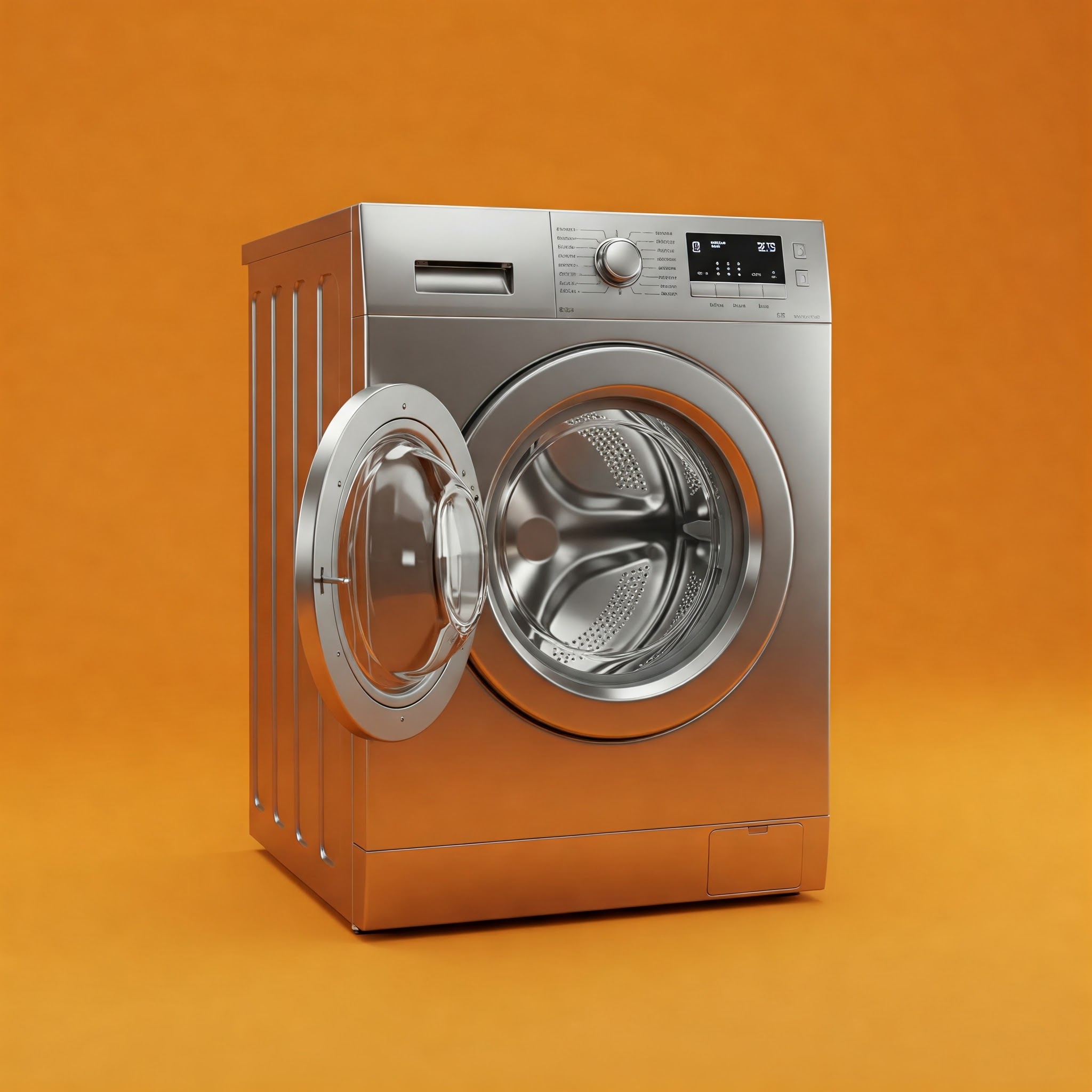
Modern washing machines, whether top-loading or front-loading, share several key components that work together to clean your clothes effectively. Understanding these parts will help you better maintain your machine and identify potential problems early.
The main components include the drum or tub where clothes are washed, the agitator or impeller that moves clothes during the wash cycle, the pump that drains water, various hoses that supply and drain water, and the motor that powers the entire operation. Front-loading machines also have door seals (gaskets) that require special attention.
According to the Association of Home Appliance Manufacturers (https://www.aham.org/), proper maintenance can extend a washing machine’s life by several years and significantly reduce the need for repairs.
Essential Monthly Maintenance Tasks
Cleaning the Interior Drum and Tub
One of the most important maintenance tasks is regularly cleaning your washing machine’s interior. Over time, soap residue, fabric softener, dirt, and minerals from Toronto’s water can build up inside the machine, creating an environment where bacteria, mold, and mildew can thrive.
For top-loading machines, fill the tub with hot water and add two cups of white vinegar. Let it agitate for a few minutes, then pause the cycle and let it sit for 30 minutes to an hour. Resume the cycle to drain and spin, then run another cycle with just hot water to rinse away any remaining vinegar.
Front-loading machines require special attention to the door seal, where moisture and debris tend to accumulate. Wipe down the seal after each use and perform a monthly cleaning cycle using either a commercial washing machine cleaner or a homemade solution of white vinegar and baking soda.
Inspecting and Cleaning the Door Seal (Front-Load Machines)
The rubber door seal on front-loading washers is particularly prone to mold and mildew growth due to moisture retention. After each wash, wipe down the seal with a clean, dry cloth and leave the door slightly open to allow air circulation.
Monthly, inspect the seal for signs of wear, tears, or excessive buildup. Clean it thoroughly with a mixture of equal parts water and white vinegar, paying special attention to the folds where debris tends to accumulate. If you notice persistent mold or mildew despite regular cleaning, it may be time to have the seal professionally cleaned or replaced.
Checking and Cleaning Lint Filters
While not all washing machines have lint filters (many rely on the drain system to remove lint), those that do require regular cleaning. Check your owner’s manual to determine if your machine has a lint filter and where it’s located. Clean these filters monthly or as recommended by the manufacturer.
Even machines without traditional lint filters benefit from occasional checks of the drain pump filter, usually located at the front bottom of front-loading machines. This filter catches coins, buttons, and other small items that could damage the pump.
Water Quality Considerations in Toronto
Toronto’s water quality can significantly impact your washing machine’s performance and longevity. The City of Toronto (https://www.toronto.ca/services-payments/water-environment/tap-water-in-toronto/water-quality/) provides detailed information about local water quality, including hardness levels that can affect appliance performance.
Hard water, which contains high levels of minerals like calcium and magnesium, can cause several problems in washing machines:
- Scale buildup in heating elements and internal components
- Reduced effectiveness of detergents
- Stiff, dingy-looking clothes
- Increased wear on machine components
If you live in an area with hard water, consider using a water softener or washing machine descaling products monthly. White vinegar is also an effective natural descaler that can help prevent mineral buildup.
Proper Loading Techniques
How you load your washing machine significantly impacts both cleaning performance and machine longevity. Overloading is one of the most common mistakes that can lead to poor cleaning results, excessive wear on the motor and transmission, and potential damage to the drum or agitator.
Top-Loading Machines: Clothes should move freely in the water. A good rule of thumb is to fill the tub no more than two-thirds full. Distribute clothes evenly around the agitator to prevent the machine from becoming unbalanced during the spin cycle.
Front-Loading Machines: These machines are generally more efficient with water and energy, but they’re also more sensitive to proper loading. Fill the drum no more than two-thirds full, and ensure clothes aren’t packed tightly against the door.
For both machine types, sort laundry properly by weight, fabric type, and color. Washing heavy items like towels with lightweight fabrics can cause imbalance issues. Similarly, mixing different fabric types can result in some items not getting clean while others are damaged by excessive agitation.
Detergent Usage and Selection
Using the right amount and type of detergent is crucial for both cleaning performance and machine health. Many people use too much detergent, thinking it will result in cleaner clothes, but excess detergent can actually trap dirt and create residue buildup in your machine.
The Environmental Protection Agency (https://www.epa.gov/saferchoice/safer-ingredients) provides guidance on choosing environmentally friendly detergents that are also gentler on your appliances.
High-Efficiency (HE) Machines: These machines require specially formulated HE detergents that produce fewer suds. Using regular detergent in an HE machine can cause excessive suds, leading to poor cleaning, longer cycle times, and potential mechanical problems.
Detergent Amount: Follow manufacturer guidelines, but as a general rule, use about one tablespoon of liquid detergent for a normal load in a standard machine, or two tablespoons for heavily soiled items. HE machines typically require even less.
Fabric Softener Considerations: While fabric softener can make clothes feel softer, it can also contribute to buildup in your machine, particularly in the dispenser compartments and on the drum. Consider using dryer sheets instead, or limit fabric softener use to every few loads.
Hose Inspection and Replacement
Washing machine hoses are often overlooked until they fail, potentially causing significant water damage. The Insurance Information Institute (https://www.iii.org/article/protect-your-home-from-water-damage) reports that washing machine hose failures are among the top causes of home water damage.
Monthly Inspection: Check both hot and cold water supply hoses for signs of:
- Cracks or splits in the rubber
- Bulging areas that indicate internal damage
- Loose connections at the machine or wall
- Mineral deposits or corrosion around fittings
Replacement Schedule: Even if hoses appear fine, replace them every 3-5 years as preventive maintenance. Consider upgrading to stainless steel braided hoses, which are more durable and less prone to sudden failure than standard rubber hoses.
Installation Tips: When installing new hoses, don’t overtighten the connections – this can damage the threads. Hand-tight plus a quarter turn with pliers is usually sufficient. Ensure there’s adequate space behind the machine so hoses aren’t kinked or stressed.
Drainage System Maintenance
Proper drainage is essential for your washing machine’s operation. A slow or clogged drain can cause water to back up into the machine, leading to poor cleaning results, musty odors, and potential overflow.
Standpipe Maintenance: The standpipe (the pipe your drain hose connects to) should be cleaned periodically to prevent soap and lint buildup. Pour hot water down the standpipe monthly, followed by a cup of baking soda and then a cup of white vinegar. After the fizzing stops, flush with more hot water.
Drain Hose Position: Ensure the drain hose is properly positioned in the standpipe – it should be inserted no more than 8 inches deep to prevent siphoning, but deep enough to prevent it from popping out during the spin cycle.
Seasonal Maintenance Considerations
Toronto’s climate presents unique challenges for appliance maintenance, particularly during extreme temperature changes.
Winter Precautions: If your washing machine is in an unheated area like a garage or basement, protect it from freezing temperatures. Even small amounts of water left in hoses or the pump can freeze and cause significant damage. If freezing is a concern, disconnect and drain hoses, and consider using RV antifreeze in the system if the machine won’t be used for extended periods.
Summer Considerations: High humidity can contribute to mold and mildew growth, especially in front-loading machines. Ensure adequate ventilation in your laundry area and consider using a dehumidifier if necessary.
Recognizing Early Warning Signs
Being able to identify early warning signs of washing machine problems can save you from costly repairs or replacements:
Unusual Noises:
- Grinding or scraping sounds may indicate worn bearings or foreign objects in the drum
- Loud banging during spin cycle often means the machine is unbalanced or the suspension system needs attention
- Squealing noises might indicate belt problems in older machines
Performance Issues:
- Clothes remaining dirty or soap residue on fabrics
- Excessive vibration or machine movement during operation
- Water not draining completely or draining slowly
- Unusual odors that persist despite cleaning
Water Problems:
- Leaks around the machine, especially from hoses or the door seal
- Water temperature issues (not getting hot enough or too hot)
- Overfilling or underfilling during wash cycles
When to Call Appliance Know it All
While regular maintenance can prevent many washing machine problems, some issues require professional attention. Complex repairs involving electrical components, motor problems, or transmission issues should always be handled by qualified technicians.
Safety Concerns: Never attempt repairs involving electrical connections while the machine is plugged in. Water and electricity are a dangerous combination, and washing machine repairs often involve both.
Warranty Considerations: Attempting complex repairs yourself may void your manufacturer’s warranty. Professional repairs ensure that warranty coverage remains intact and that repairs are performed to manufacturer specifications.
Cost-Effective Solutions: Experienced technicians can often diagnose problems quickly and accurately, potentially saving you money on unnecessary parts or preventing further damage from incorrect repairs.
Energy Efficiency and Environmental Considerations
Maintaining your washing machine properly doesn’t just extend its life – it also helps it operate more efficiently, saving energy and water. ENERGY STAR (https://www.energystar.gov/products/appliances/clothes_washers) provides extensive information on washing machine efficiency and proper use.
Water Conservation: Use appropriate water levels for load sizes. Many newer machines automatically adjust water levels, but older machines may require manual adjustment. Using cold water for most loads can save significant energy while still providing good cleaning results for most fabrics.
Load Optimization: Full loads are more efficient than partial loads, but avoid overloading. The ideal load allows clothes to move freely while maximizing the machine’s capacity.
Conclusion
Proper washing machine maintenance is an investment in your appliance’s longevity and performance. By following these maintenance guidelines, you can avoid many common problems, extend your machine’s lifespan, and ensure it continues to clean your clothes effectively.
Regular cleaning, proper loading techniques, appropriate detergent use, and attention to early warning signs are all part of responsible appliance ownership. When maintenance isn’t enough and repairs are needed, trust the experienced professionals at Appliance Know it All to provide reliable, warranty-backed service.
Remember, a well-maintained washing machine not only saves you money on repairs and energy costs but also ensures your clothes are cleaned properly and safely. Don’t wait for problems to develop – start implementing these maintenance practices today, and your washing machine will serve you well for years to come.
For professional washing machine repair services in Toronto, or if you have questions about maintaining your specific machine model, contact Appliance Know it All. Our certified technicians are ready to help keep your laundry appliances running smoothly and efficiently.