

As energy costs continue to rise and environmental consciousness grows, Toronto homeowners are increasingly looking for ways to reduce their energy consumption and utility bills. One of the most effective strategies is investing in energy-efficient appliances and maintaining existing ones for optimal performance. At Appliance Know it All, we help homeowners understand how to maximize their appliances’ efficiency and make informed decisions about repairs versus replacements.
This comprehensive guide will explore the world of energy-efficient appliances, helping you understand efficiency ratings, calculate potential savings, and make smart decisions that benefit both your wallet and the environment.
Understanding Energy Efficiency Ratings and Certifications
ENERGY STAR Certification
ENERGY STAR (https://www.energystar.gov/) is perhaps the most recognizable energy efficiency certification in North America. Administered jointly by the U.S. Environmental Protection Agency and the U.S. Department of Energy, ENERGY STAR certified appliances use 10-50% less energy than standard models.
To earn ENERGY STAR certification, appliances must meet strict efficiency criteria set by the EPA. These standards are updated regularly to reflect technological advances and ensure that certified products represent the top tier of energy efficiency in their category.
Key Benefits of ENERGY STAR Appliances:
- Reduced energy consumption and lower utility bills
- Environmental benefits through reduced greenhouse gas emissions
- Often qualify for rebates and tax incentives
- Superior performance and features
- Longer lifespan due to advanced technology
EnerGuide Labels in Canada
In Canada, the EnerGuide program (https://www.nrcan.gc.ca/energy-efficiency/energuide/3690) provides energy consumption information for major appliances. The EnerGuide label shows how much energy an appliance uses in a year and how it compares to similar models.
The label features:
- Annual energy consumption in kilowatt-hours (kWh)
- A scale showing where the appliance ranks among similar models
- The model’s specific energy consumption number
Understanding these labels helps Toronto homeowners make informed comparisons when shopping for new appliances or evaluating whether their current appliances are energy efficient.
Refrigerators: The Biggest Energy Consumer
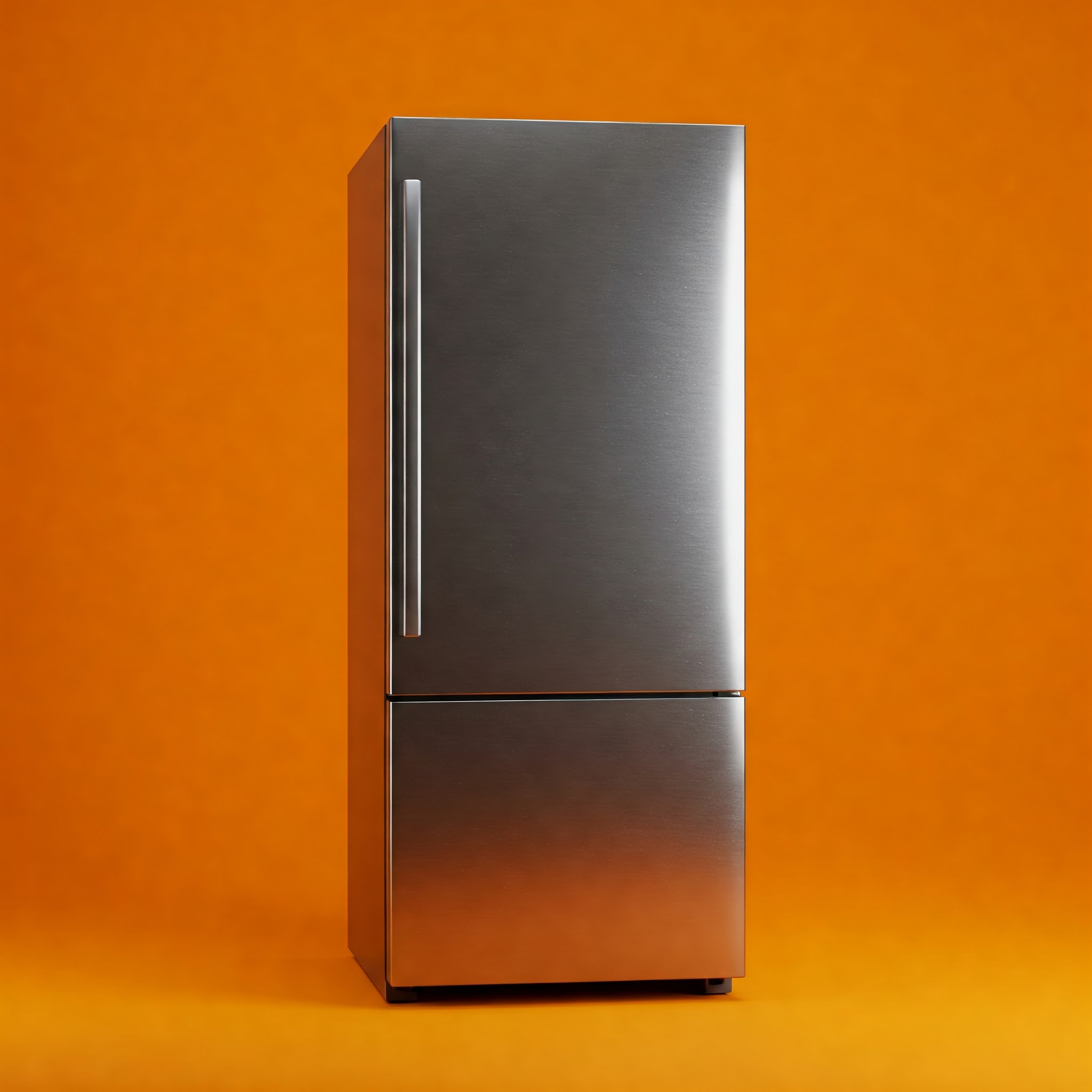
Refrigerators typically account for about 14% of a home’s total energy use, making them a prime target for efficiency improvements. Modern ENERGY STAR certified refrigerators use about 15% less energy than non-certified models and up to 40% less energy than models from 2001.
Features That Improve Efficiency
Size and Configuration: Contrary to popular belief, larger refrigerators are often more efficient per cubic foot than smaller ones. However, buying a much larger refrigerator than you need will still increase energy consumption. Side-by-side models typically use more energy than top or bottom freezer configurations.
Advanced Insulation: Modern efficient refrigerators use advanced insulation materials and techniques that maintain temperature better while reducing the workload on the cooling system.
Variable-Speed Compressors: These compressors adjust their speed based on cooling demand, using less energy than traditional single-speed units that cycle on and off.
LED Lighting: LED bulbs use significantly less energy than traditional incandescent bulbs and generate less heat, reducing cooling load.
Maintenance for Maximum Efficiency
Even the most efficient refrigerator won’t perform optimally without proper maintenance:
- Clean condenser coils every six months to ensure proper heat dissipation
- Check and replace door seals if they’re not sealing properly
- Keep the refrigerator full but not overcrowded for optimal efficiency
- Set appropriate temperatures: 37-40°F (3-4°C) for the refrigerator, 0-5°F (-18 to -15°C) for the freezer
Natural Resources Canada (https://www.nrcan.gc.ca/energy-efficiency/energy-star-canada/about/energy-star-appliances/refrigerators/4253) provides detailed guidelines for refrigerator efficiency and maintenance.
Washing Machines: Hot Water Savings
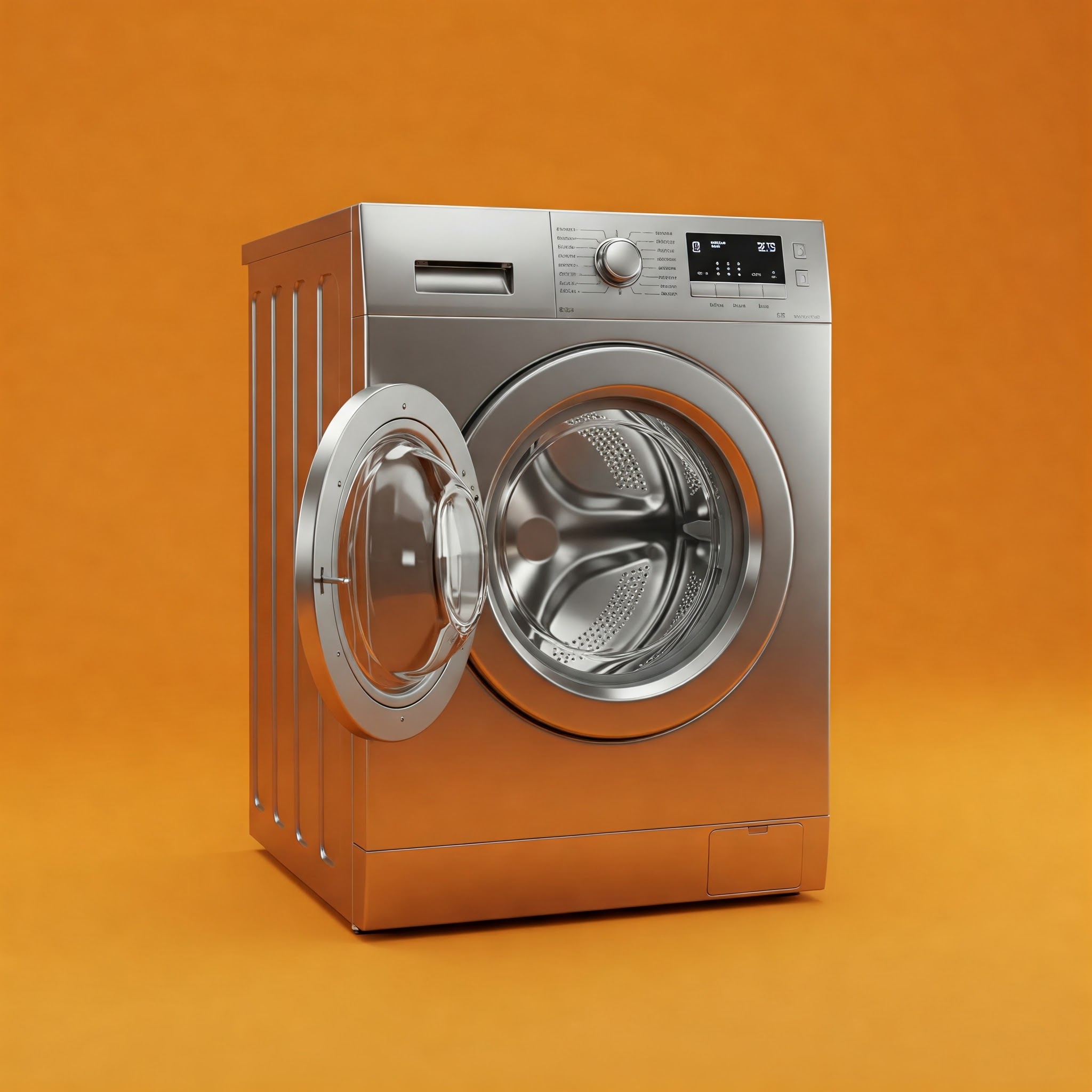
Washing machines offer significant opportunities for energy savings, particularly regarding hot water usage. About 90% of a washing machine’s energy consumption goes toward heating water, making water temperature selection crucial for efficiency.
High-Efficiency (HE) Washing Machines
HE washing machines use advanced wash systems that clean clothes effectively with less water and energy. They typically use 25% less energy and 45% less water than conventional models.
Front-Loading vs. Top-Loading: Front-loading HE machines generally use less water and energy than top-loading models, even HE top-loaders. They also extract more water during the spin cycle, reducing drying time and energy.
Load Sensing Technology: Many modern machines automatically adjust water levels based on load size, ensuring optimal efficiency for each wash.
Water Temperature Strategies
Using cold water for washing can reduce energy consumption by up to 90% per load. Modern detergents are formulated to work effectively in cold water, and many fabrics actually benefit from cold water washing.
When to Use Hot Water: Reserve hot water for heavily soiled items, whites that need sanitizing, or when dealing with oily stains that respond better to heat.
Warm Water Compromise: Warm water (mix of hot and cold) provides a balance between cleaning effectiveness and energy efficiency for moderately soiled items.
Dryers: Efficiency Through Technology and Habits
While all dryers use significant energy, newer models incorporate technologies that improve efficiency and reduce drying times.
Heat Pump Dryers
Heat pump dryers represent the cutting edge of dryer efficiency, using up to 50% less energy than conventional electric dryers. They work by recycling hot air and extracting moisture more effectively, though they typically have longer cycle times.
Moisture Sensors
Modern dryers with moisture sensors automatically stop the cycle when clothes are dry, preventing over-drying that wastes energy and damages fabrics.
Efficiency Tips for Any Dryer
- Clean the lint filter after every load
- Use the appropriate heat setting for different fabrics
- Don’t over-dry clothes – this wastes energy and damages fabric
- Dry full loads when possible, but don’t overpack
- Consider air-drying when weather permits
Dishwashers: Water and Energy Conservation
ENERGY STAR certified dishwashers use about 12% less energy and 30% less water than standard models. They also often provide superior cleaning performance through advanced wash systems and soil sensors.
Advanced Features for Efficiency
Soil Sensors: These sensors determine how dirty dishes are and adjust the cycle accordingly, using only the water and energy needed for effective cleaning.
Half-Load Options: For smaller loads, half-load options save water and energy while still providing effective cleaning.
Efficient Motors and Pumps: Variable-speed motors and efficient pumps reduce energy consumption while maintaining cleaning performance.
Usage Habits That Matter
According to the EPA (https://www.epa.gov/watersense/residential-dishwashers), proper dishwasher use can save significant water and energy:
- Skip pre-rinsing – modern dishwashers and detergents are designed to handle food residue
- Run full loads whenever possible
- Use the air-dry or energy-saver dry option instead of heat-dry
- Select the appropriate cycle for the soil level
Ovens and Ranges: Cooking Efficiency
While cooking appliances typically use less total energy than major appliances like refrigerators, choosing efficient models and using them properly can still yield significant savings.
Induction Cooking Technology
Induction cooktops are the most efficient cooking method, transferring about 85-90% of energy directly to cookware compared to 40-45% for conventional electric coils and 40-55% for gas ranges.
Benefits of Induction:
- Faster heating and more precise temperature control
- Safer cooking surface that stays cooler
- Easier cleanup due to smooth surface
- Reduced heat in the kitchen, lowering cooling costs
Convection Ovens
Convection ovens use fans to circulate hot air, cooking food more evenly and often 25-30% faster than conventional ovens. This reduced cooking time translates to energy savings.
Energy-Saving Cooking Habits
- Match cookware size to burner size
- Use lids on pots and pans to retain heat
- Don’t preheat longer than necessary
- Use the microwave for small portions and reheating
- Consider smaller appliances (toaster ovens, pressure cookers) for appropriate tasks
Smart Appliances and Home Automation
The integration of smart technology in appliances offers new opportunities for energy savings through better monitoring and control.
Smart Features That Save Energy
Usage Monitoring: Smart appliances can track energy consumption and provide insights into usage patterns, helping you identify opportunities for savings.
Demand Response: Some smart appliances can automatically adjust operation during peak energy demand periods when electricity rates are higher.
Remote Control: The ability to monitor and control appliances remotely ensures they’re not running unnecessarily and allows for optimal scheduling.
Integration with Smart Home Systems
Smart thermostats, like those certified by ENERGY STAR (https://www.energystar.gov/products/heating_cooling/smart_thermostats), can work with other smart appliances to optimize whole-home energy consumption.
Financial Considerations: Calculating Payback Periods
When considering energy-efficient appliances, it’s important to calculate the total cost of ownership, including purchase price, operating costs, and potential rebates.
Energy Cost Calculations
To calculate annual energy costs:
- Find the appliance’s annual energy consumption (kWh/year)
- Multiply by your local electricity rate (Toronto’s average is about $0.13/kWh)
- Factor in any time-of-use pricing if applicable
Available Rebates and Incentives
Federal Programs: Canada offers various rebates for energy-efficient appliances through programs like the Canada Greener Homes Grant.
Provincial Initiatives: Ontario has periodically offered rebates through programs like Save on Energy (https://saveonenergy.ca/), though programs and availability change regularly.
Utility Company Programs: Some local utilities offer additional rebates or financing options for energy-efficient appliances.
Municipal Programs: The City of Toronto occasionally offers energy efficiency programs for residents.
Repair vs. Replace: The Efficiency Decision
Determining whether to repair an older appliance or replace it with a more efficient model requires careful consideration of several factors.
Age and Efficiency Baselines
Appliances older than 10-15 years are often significantly less efficient than current models:
- Refrigerators from the 1990s use about twice the energy of current ENERGY STAR models
- Washing machines from before 2004 typically use 40% more energy than current efficient models
- Dishwashers from the 1990s use about 25% more energy and 35% more water than current models
The 50% Rule
A general guideline suggests replacing an appliance if repair costs exceed 50% of the replacement cost, especially if the appliance is older and less efficient.
Environmental Considerations
While replacing a functioning appliance has environmental costs due to manufacturing and disposal, the energy savings from efficient models often offset these impacts within a few years of use.
Maintenance: Keeping Efficiency High
Even the most efficient appliances need proper maintenance to perform at their rated efficiency levels.
Regular Maintenance Tasks
For All Appliances:
- Keep vents and filters clean